Skull in the Wall: A Designer’s Review
As an experienced embroidery designer, I have sifted through thousands of digital files. Most are forgettable, but some possess a distinct character that translates beautifully from screen to fabric. Skull in the Wall , Vector, Laser Svg is one such design that caught my eye recently. While the product description highlights its utility for laser cutting, plasma work, and Cricut projects, my focus here is strictly on its potential as a high-impact embroidery asset. For crafters, Etsy sellers, and boutique owners, understanding how a graphic translates into thread is crucial before committing to a production run.
First Impressions: Mood and Visual Personality
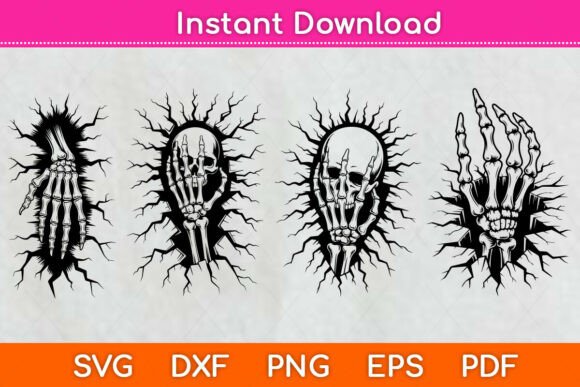
The immediate reaction to Skull in the Wall , Vector, Laser Svg is one of edgy sophistication. It is not merely a generic skeleton icon; the "in the wall" concept suggests depth, texture, and a breakage effect that adds narrative interest. In the realm of Graphics and Crafts, this type of imagery appeals to a specific demographic—those who appreciate gothic aesthetics, biker culture, or modern alternative decor. The layout appears balanced, with the skull acting as the focal point while the surrounding "wall" elements provide context without overwhelming the central figure. For an embroidery project, this balance is vital. Too much detail in the background can lead to stitching nightmares, while too little can make the design feel flat. This design strikes a promising middle ground, offering enough complexity to look professional but remaining clean enough for efficient stitching.
Real-World Application: The Custom Sweatshirt Test
To truly evaluate a design, I mentally place it on a tangible product. Imagine a client requesting a custom gift for a partner who loves rock music and vintage aesthetics. A black heavyweight sweatshirt becomes the perfect canvas. Here, Skull in the Wall , Vector, Laser Svg shines. The contrast between white or silver thread and dark fabric creates a striking visual pop. When digitizing or preparing this file for machine embroidery, the "broken wall" edges offer an excellent opportunity to utilize a mix of stitch types. A satin stitch could define the sharper cracks, providing a glossy, raised texture, while a fill stitch might be used for the skull itself to ensure coverage and durability.
This is not just about aesthetics; it is about perceived value. A well-executed embroidered sweatshirt featuring this design commands a higher price point than a simple printed tee. It feels substantial. For small shop owners and handmade product creators, this translates directly to better margins. The design lends itself naturally to custom apparel, particularly items meant for casual wear or statement pieces. It is bold enough to be seen from across the room, making it ideal for back-of-jacket placements or large chest logos.
Navigating Technical Challenges in Embroidery
However, enthusiasm must be tempered with technical caution. The very details that make Skull in the Wall , Vector, Laser Svg visually appealing can pose challenges during stitching. The "wall" fragments likely contain sharp angles and thin lines. In embroidery, sharp corners are prone to puckering if the stitch density is too high or if the stabilizer is insufficient. I recommend using a cut-away stabilizer for stretchy fabrics like sweatshirts to prevent distortion over time. For woven fabrics, a tear-away might suffice, but testing is non-negotiable.
Another critical consideration is scale. If you attempt to shrink this design for a small hoop size, such as a 4x4 inch area, the intricate details of the cracking wall may merge into a indistinguishable blob. Thread has thickness; it cannot replicate the infinite precision of a vector line. Therefore, this design is best suited for medium to large hoops, such as 5x7 or 6x10 inches. Always check the recommended stitch count and dimensions provided by the seller, although since this listing emphasizes its nature as a Vector file and Instant Download for various cuts, specific embroidery metrics might need to be verified or the file may require digitization software adaptation if it is not already in a native embroidery format like PES or DST.
Versatility Across Product Lines
Beyond sweatshirts, where else does this design fit? The rugged nature of the skull motif makes it an excellent candidate for an embroidered patch. Patches allow for dense stitching and heavy backing, which can handle the complexity of the wall texture without worrying about fabric distortion. These patches can then be sold as standalone design assets or applied to denim jackets, backpacks, and caps. Speaking of caps, curved surfaces require careful hooping. The design should be centered carefully to avoid wrapping around the seam, which could distort the skull's symmetry.
For home decor, consider a pillow cover or a tote bag. A canvas tote bag design featuring this skull could appeal to customers looking for durable, stylish accessories for concerts or everyday use. The key here is thread color selection. While monochrome is classic, experimenting with thread colors like slate grey, charcoal, and off-white can create a subtle, tonal look that feels more upscale and less costume-like. This approach broadens the appeal to customers who want the edge of the design without the overt aggression of high-contrast black and white.
Commercial Viability and Brand Consistency
For Etsy sellers and creative entrepreneurs, consistency is key. If your brand focuses on dark academia, gothic romance, or alternative lifestyle products, Skull in the Wall , Vector, Laser Svg aligns perfectly. It enhances brand recognition by offering a cohesive visual language. However, if your shop typically sells soft, pastel baby items, this design would be a jarring mismatch. Context matters. That said, do not rule out baby embroidery entirely if you are targeting a niche market of alternative parents, but proceed with caution regarding fabric choice and thread safety standards.
When selling finished products, transparency builds trust. Ensure you have the correct commercial license. The product description states it is a digital product for instant download, but licenses vary. Some creators allow unlimited sales of physical items, while others cap the number of units. Always read the terms included in the download. Using a design without proper licensing can jeopardize your small business reputation and lead to legal issues.
Practical Designer Notes for Best Results
Before launching this design into your production line, follow these practical steps:
- Test on Scrap Fabric: Never stitch directly on your final garment. Use the same type of fabric and stabilizer to check for puckering or thread breaks.
- Check Thread Contrast: View your test stitch-out from a distance. Does the design read clearly? If the details get lost, consider simplifying the color palette or increasing the size.
- Inspect Small Details: Look closely at the "wall" cracks. Are there tiny jumps or loose threads? You may need to add tie-offs or adjust the underlay stitches in your digitizing software if you are converting the vector yourself.
- Mockup Verification: Create digital mockups on both light and dark backgrounds. This helps in marketing your printable mockup listings or social media posts, giving customers a realistic expectation of the final look.
- Stabilizer Selection: Match the stabilizer to the fabric weight. Heavy denim needs different support than a lightweight cotton tee.
In conclusion, Skull in the Wall , Vector, Laser Svg is a versatile and compelling graphic for those willing to navigate its technical nuances. It offers a strong visual identity for commercial embroidery projects, particularly in apparel and accessories. By respecting the limitations of thread and fabric, and by conducting thorough tests, designers can transform this digital file into a high-quality, tangible product that resonates with customers. It is a reminder that in the world of handmade goods, the intersection of digital precision and tactile craftsmanship is where true value is created.